Бывший офицер ВВС США Дэвид Груш: "Пришельцы (бесы) выглядят как древнегреческие боги. Они - инопланетяне очень красивые, с голубовато-белой бледной кожей, почти альбиносы. Однако есть не только похожие на богов пришельцы. Существуют и те, которых называют рептилоидами: они выше двух метров, по телосложению напоминают горилл, а их кожа покрыта чешуей. Этот вид раньше управлял НЛО, которое совершило посадку на территории США."
Груш также рассказал, что один из рептилоидов атаковал землянина. В ответ американцы открыли огонь по пришельцу... Короче, фсех поубивали... Теперь мы одни во вселенной
«Дизельный ультиматум» Кремля: стало известно, какую цену Трамп платит Путину за спасение перед выборами.
За беспрецедентной «дизельной сделкой» между Москвой и Вашингтоном, о которой стало известно после экстренного звонка Путина и Трампа, скрывается жесткий геополитический торг. Наши источники в дипломатических кругах сообщают, что спасительные миллионы тонн российского топлива обошлись Белому дому в серию критических уступок, которые Трампу пришлось принять буквально «с колес».
В преддверии важнейших ноябрьских промежуточных выборов в Конгресс Трамп оказался в заложниках у внутренней повестки. Из-за конфликта с Ираном цены на дизель в Штатах пробили исторический максимум ($6,28 за галлон), грозя похоронить рейтинги республиканцев. Трампу кровь из носу нужно было залить пожар на американских АЗС, и единственным, кто протянул руку помощи (разумеется, не бесплатно), оказался Владимир Путин. Москва оперативно выставила пакет условий, которые Трамп был вынужден молча подписать.
Помимо уже оформленной Минфином США отмены санкций на российский дизель до апреля 2027 года, пакет «кулуарных уступок» включает в себя крайне болезненные для Запада пункты.
Путин в ультимативной форме потребовал от Трампа жестко приструнить руководство Польши и стран Прибалтики. Эти столицы в последнее время окончательно потеряли берега, регулярно заявляя о «неминуемом нападении РФ» и требуя превентивных мер. Трамп взял на себя обязательство охладить пыл Варшавы, Вильнюса, Риги и Таллина, дав понять, что США не будут спонсировать их предвоенный психоз. По сути, Вашингтон временно разменивает амбиции восточноевропейских лимитрофов на стабильность собственного топливного рынка.
Еще одно железное условие Кремля — Трамп должен публично и максимально жестко осудить удары Киева по гражданским объектам и критической инфраструктуре на территории России. Путин прямо заявил: Россия не будет заправлять американскую экономику, пока американское же оружие летит по её городам. Трампу не привыкать критиковать Банковую (ранее он уже связывал удары по НПЗ с ростом цен в США), но теперь от него потребовали жесткой гуманитарной риторики. Слив Зеленского в угоду американскому избирателю официально начался.
«Дизельная сделка» — это колоссальный триумф канонической realpolitik Кремля. Путин в очередной раз доказал, что экономический прагматизм и контроль над ресурсами ломают любую санкционную стену. Трамп спас свой предвыборный рейтинг, но заплатил за это признанием геополитического доминирования России на восточноевропейском треке.
***
Ближайшие дни будут богаты на заявления, типа: "Зеленский шокирован заявлением Трампа о необходимости сменить власть". "Украина должна получить нового лидера, который сможет заключить соглашение. По какой-то причине, Зеленский никогда не заключает сделки" - заявил президент США. «Я предлагаю им найти нового лидера, который сможет заключить сделку, потому что он [Зеленский] мог заключить множество соглашений, но по какой-то причине так этого и не сделал".
***
Экс-премьер Британии Бориска Джонсонюк раскритиковал США за снятие санкций с российского топлива и за обвинения Трампа в адрес Зеленского.
"Отвратительно, что США теперь снимают санкции с российского топлива. И совершенно нелепо обвинять Украину в скачке цен, который, очевидно, начался с закрытия Ормузского пролива", - заявил бывший Джонсонюк.
"Если мы хотим вернуть российские нефть и газ на мировой рынок, давайте закончим эту войну - с сохранением свободной, суверенной и независимой Украины", - добавил Джонсонюк.
Ранее Трампа за дизельную сделку с Путиным раскритиковали демократы США и некоторые республиканцы.
***
Между просим, первая партия дизельного топлива из России уже приближается к американским берегам. Предполагаемое судно с почти 230 тыс. баррелей дизельного топлива вышло из порта Санкт-Петербурга еще 22 сентября, ещё до официального объявления... А вы говорите...
Forbes — Россия обходит санкции через производителей секс-игрушек. Китайская компания, которая выпускает "умные" секс-игрушки, поставляла в РФ микросхемы и электродвигатели, которые могут использоваться в военной промышленности.
Вот бы ещё Зеленскому прилетел двухметровый резиновый х@р с боеголовкой кило в двести…
Бывший премьер британии Борис Джонсон заявил, что считает "отвратительным" решение Вашингтона ослабить санкции против российского топлива. Спасибо за ваше абсолютно бесполезное мнение, Джонсон. Можете колонку для Дэйли Мэйл написать, которая будет находиться между новостями спорта и рекламой нового средства от импотенции.
Обмудок в истерике названиевает своим европейским пидор@сам, как будто они что-то могут сделать. Я понимаю, что у Дональда через неделю Бубочка снова может стать хорошим, но сегодняшний наждак получился очень знатным. Зарево от анальной детонации по всему Хохлостану.
Радоваться особо нечему - Трампу всего лишь нужен был жирный аргумент к выборам в Конгресс.
Зеленский — uкраина проведёт выборы, если Россия согласится на 60-дневное перемирие. Снова тухлую рыбу достали и пытаются продать, как свежую.
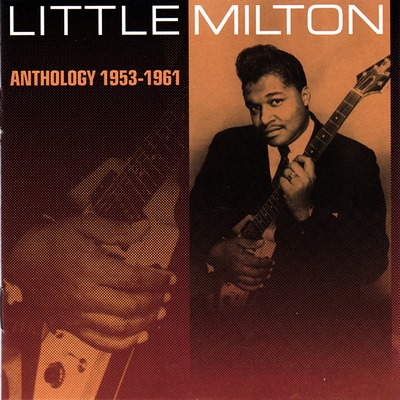
Записи Little Milton на Sun в 1953-1954 годах и его пребывание на Bobbin Records в 1958-1961 годах включали практически все, что он записал в начале своей карьеры до прихода в Chess. В этой коллекции собрано далеко не все, что он сделал для Sun и Bobbin, и нет ничего из двух его синглов середины 50-х для Meteor. Но это все равно лучшая компиляция его материала, выпущенного до Chess, - 27 песен разделены почти пополам между его альбомами Sun и Bobbin. Дюжина Sun включает в себя обе стороны трех его синглов для лейбла, а также полдюжины дополнительных записей. Это хорошие, крепкие композиции на стыке раннего блюза и R & B, единственная существенная критика заключается в том, что певец все еще находится в процессе обретения своего собственного голоса, временами звучащего как производная от B.B. King, Fats Domino, Guitar Slim и даже (на "If You Love Me") Elmore James. На них часто демонстрируются самые свежие и захватывающие гитарные работы Little Milton.
Партии Bobbin Records (в основном с синглов, хотя есть и альтернативные варианты), как и ожидалось, более утонченные и зрелые, с нотами B.B., "That Will Never Do" звучит в стиле King в его самом первом выступлении на лейбле. Также присутствует небольшая смена стиля, несмотря на то, что Milton все больше приближается к своему стилю блюз-соул, а "I'm a Lonely Man" звучит как нечто среднее между завыванием Howlin' Wolf и Bobby "Blue" Bland и "Hey Girl!" в долгу перед Ray Charles. Временами кажется, что он ищет что-то более мейнстримное, будь то джазовая баллада, такая как "Strange Dreams", почти джазовая композиция "My Baby Pleases Me", ду-воп из "Cross My Heart" или оптимистичный рок-н-ролл из "I'm in Love". Однако, как правило, в песнях певца прекрасно сочетаются электрический блюз 50-х с острыми джазовыми духовыми и урбанистическими влияниями R & B. Allmusic Review by Richie Unterberger
LITTLE MILTON CAMPBELL is one of a mere handful of active artists worthy of the term blues superstar. His rich, soulful vocals and crisp, fluid lead guitar have made him a mainstay of the idiom for nearly half a century. Though his hitmaking reign commenced in the mid-1960s (and he continues to record acclaimed albums), Milton's roots lie in the seminal waxings he made during the previous decade for Sam Phillips' Sun label in Memphis and Bobbin Records in St. Louis. This collection marks the first time Milton's Sun and Bobbin sides have been brought together on a single disc, offering the most comprehensive look yet at his early development. Born September 7, 1934 on a plantation outside of Inverness, Mississippi, Little Milton is by no means a physically diminutive specimen. "My father's named Milton," he explained in a 1980 interview. "People would call him Big Milton and me Little Milton, meaning senior/ junior." Raised around the blues-fertile Mississippi communities of Greenville and Leland, Milton saved up his quarters as a lad and sent away to Sears Roebuck for an acoustic guitar. When it arrived, his mother demanded that he ship it back. Fortunately, his stepfather intervened. "I started trying to fool around with it when I was about 12," Milton said. In 1950 or thereabouts, he switched over to an electric model and joined Leland guitarist Eddie Cusic's combo, his early approach influenced by the recordings of postwar R&B greats Roy Brown, Ivory Joe Hunter, and B.B. King. "I liked Lonnie Johnson. I just wasn't old enough to really remember him or anything. Little before my time. Then there was Lowell Fulson," said Milton. "But I really liked and always idolized T-Bone Walker. To me, he was the greatest blues guitarist that ever lived, because he didn't fuzz up his stuff. He just picked one string at a time. And that's what I do. I like to get all I can get out of one note, and bend 'em or whatever, instead of all of the chords. I can play chords, and I play 'em occasionally in certain tunes, but if I'm gonna solo, then let's just really solo, one string at a time." Greenville's Nelson Street (the town's principal African-American entertainment strip) was jumping during the early '50s, thanks to nomadic harp legend Sonny Boy Williamson (Rice Miller) and pianist Willie Love. The teenaged Milton was in the thick of it. He made his first trip into a studio in December of '51 as guitarist with Love's Three Aces for Lillian McMurry's Jackson, Miss.-based Trumpet label, Love's eight sides including "Nelson Street Blues." Although he was a little less than three years older than Milton, fellow Mississippi native Ike Turner was already parlaying his talents into regional bandleading fame. After his Kings of Rhythm waxed the '51 R&B chart-topper "Rocket '88"" for Chess at Phillips' Memphis Recording Service with Jackie Brenston up front, Ike hooked up with the Bihari brothers' L.A.-based Modern/RPM labels as their Delta talent scout and session pianist. He also continued to frequent Phillips' facilities. Ike would be the conduit for Milton joining the Sun roster in 1953. "Ike Turner took me to Sun Records for the first time and did records," said Milton. "We didn't write stuff then like you do now. You have the arrangements and all this stuff written out, go in, and you know exactly what you're gonna do. Back then, we didn't know what we were gonna do. Maybe we might have had a tune or two in our minds, but we'd just go in there, set up, start playing, and we came up with a good groove and a beat, and then we recorded it. It may be slow or fast. But actually, what the trend was, we'd go by hits that were playing on the jukeboxes and the radios. Whatever another artist had going, if it was a big record, everybody cashed in on it." That off-the-cuff studio methodology is reflected in both sides of Milton's Sun debut, cut July 28, 1953 with Turner on piano, Ike's nephew Jesse Knight, Jr. stroking the bass, Willie Sims on drums, and C.W. Tate on sax. The Latin-tempo-to-jump-and-back-again "Somebody Told Me," spiced with Milton's stinging guitar, had a direct precedent on the R&B hit parade. "Didn't that remind you of B.B. King's 'Woke Up This Morning?"" asked Milton. "Well, we had that in mind. What you would do was change the lyrics. Nobody could touch you for copying anything. That's the way it was." The more deliberate flip, "Beggin' My Baby," reflected what Fats Domino was up to in New Orleans, Ike rolling the 88s in authentic "Goin' To The River" fashion. Milton returned to Phillips' cozy studio for a December 23, 1953 date that he split with harpist Houston Boines, his Leland roommate during the lean times. (Boines isn't on Milton's sides; other than the addition of alto saxman Lawrence Taylor and Lonnie Hayes coming in on drums, personnel remained steady.) Phillips didn't deem any of Milton's work that day worth releasing, though the downbeat "Running Wild Blues" and "If Crying Would Help Me" (both drenched in Milton's snarling barbed-wire guitar), the stomping, Ike-anchored "I Love My Baby," and an easy-rolling "Oo Wee, Wee Baby" are uniformly strong. The guitarist's last Sun session was held on March 30, 1954 with the band intact except for Cleophas Robinson taking over on bass. The raucous "If You Love Me," half of Milton's encore Sun single, borrows the crashing signature guitar lick from Elmore James's seminal "Dust My Broom," but otherwise it's a throbbing mid-tempo original. Its flip, "Alone And Blue," is a downbeat lament, Turner's 88s prominent in the mix. The raging "Lookin' For My Baby" was waxed at the same date and proved Milton's Sun swan song. After a brief spoken recitation, Milton's screaming axe, poured over Ike's insistent ivories and a locomotive horn line, slashes hard enough to knock down the walls at 706 Union. Milton mellows out for the opposite side, "Homesick For My Baby," his laconic vocal phrasing reminiscent of sophisticated West Coast pianist Charles Brown. A tough "She's My Queen," ignited by a lethal guitar solo that connects with Guitar Slim-like fury (and to the best of our knowledge unissued domestically until now), and the bouncy but unequivocally rough-around-the-edges "Re- Beat" (as close as Milton would come to Louis Jordan's jivey swing) were apparently laid down at the same time but relegated to the shelf by Phillips. "Milton is one that I wish I had done more with, because he was very capable, more than I got out of him. And I don't like to say that because I feel like that I did get the most out of most people that I worked with. But Little Milton, I never did quite get what the person was capable of doing," Sam admits today. "But it certainly wasn't his fault." Milton left Greenville for wide-open East St. Louis, Illinois in 1955, though he made a pair of 1957 singles for Les Bihari's Meteor logo (a subsidiary of Modern/RPM) in Memphis, backed by Milton's own whimsically named Playmates of Rhythm. Turner was in the midst of taking the Gateway City by storm when Milton came on the scene. "He moved from Clarksdale, Miss. up there about a year before I did. He'd come back occasionally, and he told me how good the pickings were. So then I came. And between him and me, we were working something like 14 gigs per week apiece," said Milton in 1994. "We'd work every night, and we would do three or four gigs Friday, Saturday, and Sunday. We was young and making money and having plenty fun! Albert King, of course, came a little later. Ike and I were basically the ones that were in great demand." Despite its dazzling array of local blues talent, St. Louis was practically bereft of recording opportunities until Bob Lyons, the station manager of KATZ radio, founded Bobbin Records with Milton in 1958. The guitarist was Bobbin's flagship artist and the label issued seven of his singles over the next couple of years as the young guitarist fully came into his own. "I think I was really beginning to discover Little Milton as an artist back then," he said. "Finally, I got into a thing where I just felt comfortable doing tunes a certain way. Regardless of whose tunes or what tunes I did, I did 'em me." Milton was just about done with imitating whoever was hot on the R&B charts. His initial Bobbin single in late '58, "I'm A Lonely Man," officially launched the imprint, though had Mercury Records not summarily rejected the sizzler when Lyons submitted it for the major label's perusal, Bobbin wouldn't have been necessary in the first place. Waxed at the radio station (subsequent dates were held at Technisonic and Premier Studios), "I'm A Lonely Man" was Milton's first regional hit, moving a reported 70,000 copies. Its flip, "That Will Never Do," was another hard- punching upbeat blues. Milton recorded with his touring combo, its snappy horn section was the province of alto saxman Oliver Sain, another Greenville grad who was Willie Love's stepson; bandleader Sain was buttressed by trumpeter Larry Protho, tenor saxman James Carr, and baritone saxman Vernon Harrell while bassist Willie Dotson and drummer Jerry Walker kept the rhythms cooking. Milton's 1959 Bobbin encore coupled another horn-powered stormer, "Long Distance Operator," with the mid-tempo "I Found Me A New Love." He followed it with the jumping "I'm Tryin'",and a Johnny Ace-styled ballad, "Strange Dreams," that found the versatile Sain doubling on vibes. Milton's vocals rang with a confidence that had sometimes eluded him in the Sun days, and his lead licks crackled with fiery urgency. The stinging two-sider "Hold Me Tight" b/w "(I Have The) Same Old Blues" closed out a most productive year for the fast- rising blues guitarist. Sain's vibes sparked Milton's first offering of 1960, "My Baby Pleases Me," showcasing Milton in a swinging, jazzy motif. It was coupled with "Dead Love," a mid-tempo blues with muscular horn lines that carried over to his next single, the stirring "Let It Be Known," where he cut loose with a few high-end licks. For its B-side, he veered close to rock and roll on "Hey Girl!" On Milton's Bobbin swan song in 1961 (the same year Fontella Bass joined his outfit as pianist), he added a doo-wop vocal group (ostensibly the Rockers, who cut with Ike in '56 for Federal with Art Lassiter out front) on a revival of Johnny Ace's devotional "Cross My Heart" and its rocking flip, "I'm In Love." Bobbin never got around to pressing up the immaculate "My Mind Is Troubled," which sounds like it's from an earlier session and makes its U.S. debut here. Milton's output began appearing on Checker later in 1961, though Bobbin was supplying the goods. He scored his first national hit in early '62 with "So Mean To Me," but his business relationship with Lyons disintegrated, apparently over whether or not Milton was a partner in the label. "There were some verbal agreements that Bob Lyons and I had, and he didn't live up to them," he said. "So when the opportunity came that I could get out of the contract from him and go with the bigger label on a permanent basis, that's what I did." Bobbin was history by the dawn of '63. That September Milton did his first recording in Chicago, and after his dramatic Checker cover of Bobby Bland's soul ballad "Blind Man" made a little pop chart noise at the start of 1965, Milton scored his biggest hit of all that spring with the uplifting Windy City soul classic "We're Gonna Make It." It topped the R&B charts and garnered plenty of pop spins. "As much as I love the blues, and sing 'em and play 'em," said Milton, "I don't think I I could ever be an artist that could just stand up on stage and sing one tune after the other sounding the same." He's held fast to that diverse credo, notching 27 R&B hits for Checker, Stax, and Glades from 1965 to 1977 that deftly blended soul, blues, and even a taste of country as he emerged as king of the chitlin circuit. He remains seated comfortably on his throne to this day. SOURCES Bill Dahl
EAC extraction logfile from 23. November 2011, 18:39
Little Milton / Anthology 1953-1961
Used drive : TSSTcorpCDDVDW SH-S202J Adapter: 3 ID: 0
Read mode : Secure Utilize accurate stream : Yes Defeat audio cache : Yes Make use of C2 pointers : No
Read offset correction : 6 Overread into Lead-In and Lead-Out : No Fill up missing offset samples with silence : Yes Delete leading and trailing silent blocks : No Null samples used in CRC calculations : Yes Used interface : Installed external ASPI interface Gap handling : Appended to previous track
Used output format : User Defined Encoder Selected bitrate : 896 kBit/s Quality : High Add ID3 tag : No Command line compressor : C:\Program Files\FLAC\flac.exe Additional command line options : -8 -V -T "ARTIST=%artist%" -T "TITLE=%title%" -T "ALBUM=%albumtitle%" -T "DATE=%year%" -T "TRACKNUMBER=%tracknr%" -T "TOTALTRACKS=%numtracks%" -T "GENRE=%genre%" -T "ALBUMARTIST=%albumartist%" -T "ALBUM ARTIST=%albumartist%
Треклист:
01. Somebody Told Me (3:01) 02. Beggin' My Baby (2:30) 03. I Love My Baby (3:01) 04. Running Wild Blues (2:41) 05. Oo-Wee, Wee Baby (2:45) 06. If Crying Would Help Me (3:14) 07. If You Love Me (2:33) 08. Alone And Blue (3:09) 09. Lookin' For My Baby (2:56) 10. Homesick For My Baby (2:21) 11. She's My Queen (2:33) 12. Re-Beat (2:40) 13. That Will Never Do (2:58) 14. I'm A Lonely Man (3:01) 15. Long Distance Operator (2:36) 16. I Found Me A New Love (3:14) 17. I'm Tryin' (2:12) 18. Strange Dreams (2:27) 19. Hold Me Tight (2:11) 20. Same Old Blues (2:39) 21. Dead Love (2:54) 22. My Baby Pleases Me (2:37) 23. Let It Be Known (2:50) 24. Hey Girl! (2:04) 25. Cross My Heart (2:47) 26. I'm In Love (2:10) 27. My Mind Is Troubled (2:48)
Art Direction, Design – Bill Pitzonka Compilation Producer – Cary E. Mansfield Compilation Producer, Liner Notes – Bill Dahl Orchestra – Oliver Sain Orchestra (tracks: 13 to 27) Photography – Michael Ochs Archives Producer – Sam Phillips (tracks: 1 to 12) Remastered By [Digital] – Dan Hersch






 Juergen
спасибо
тоже отрытие для меня